Speakers
A single auditorium, no parallel sessions: the whole audience follows the same thread.
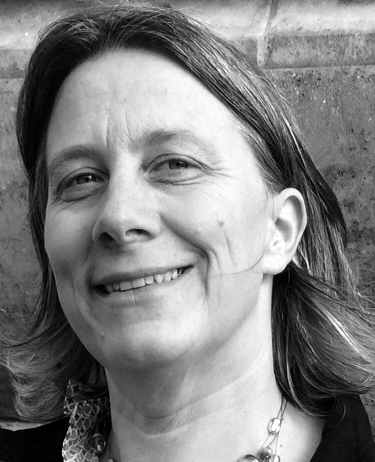
Maria Beger
Professor in Conservation Science, University of LeedsUniversity of Leeds+
Maria Beger
Conservation ecologist and Professor in Conservation Science at the University of Leeds. Her work joins coral reef ecology with spatial conservation prioritisation, mainly in the Coral Triangle, the Pacific, the Western Indian Ocean, Japan and Australia. She also works on fish biomass prediction, climate change science, ecosystem services and global evaluations of protected areas, in collaboration with conservation organisations —The Nature Conservancy, IUCN, WWF, the Marshall Islands Conservation Society— and government agencies.
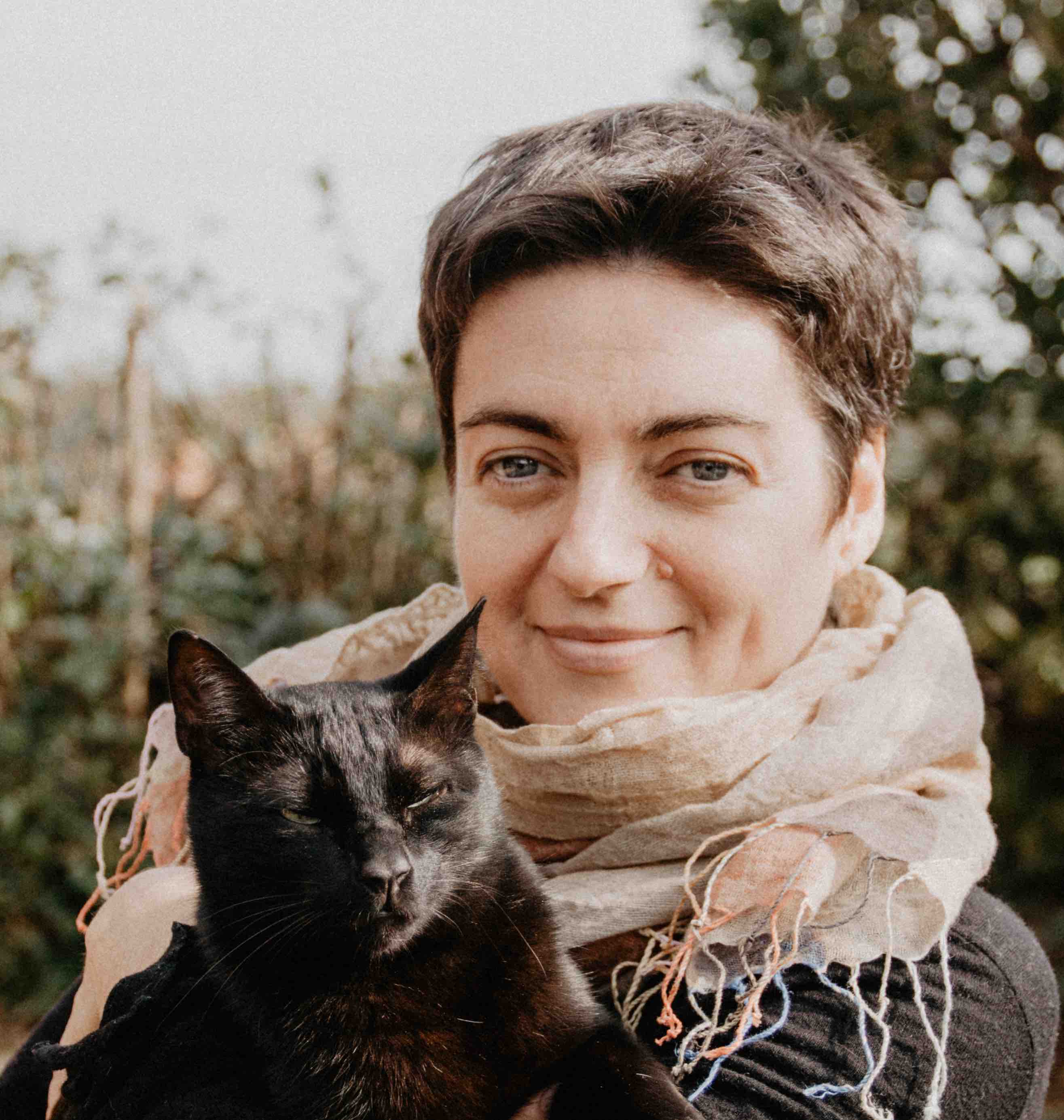
Núria Almiron
Professor of of Communication and co-director of the UPF-Centre for Animal EthicsUniversitat Pompeu Fabra+
Núria Almiron
Núria Almiron is Full Professor of Ethics and Political Economy of Communication in the Department of Communication at Pompeu Fabra University, as well as the co-director of the UPF-Centre for Animal Ethics in the same university. Her research combines communication ethics, political economy, and critical discourse analysis, with particular attention to interest groups and persuasive communication from the perspectives of critical animal studies and animal ethics. She is the author and editor of several books, including Animal Suffering & Public Relations. The Ethics of Persuasion in the Animal Industrial Complex (ed., Routledge, 2024).
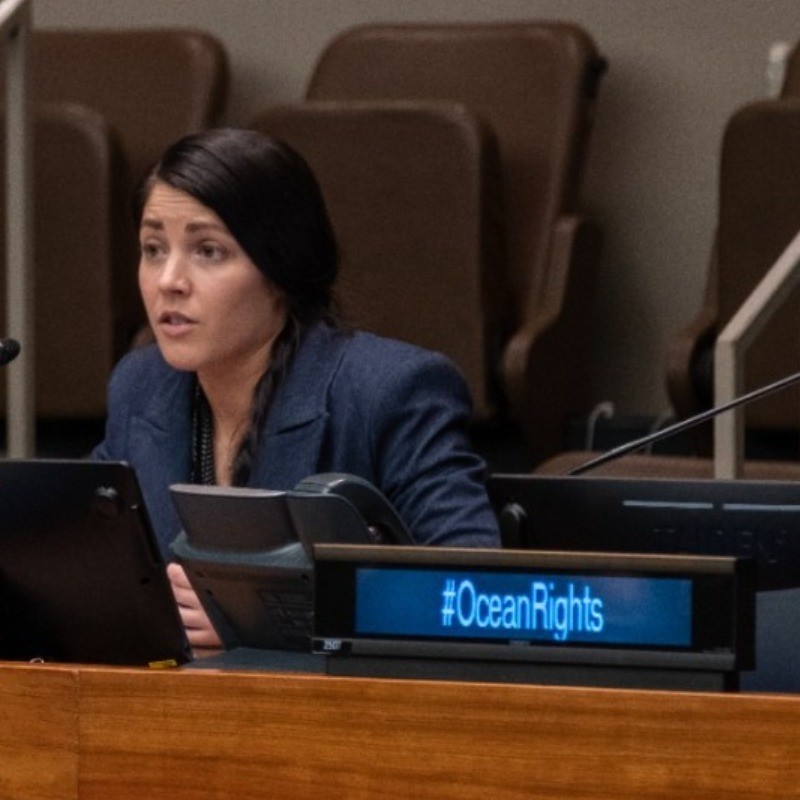
Michelle Bender
Legal Counsel and Head of Ocean RightsOcean Vision Legal+
Michelle Bender
Originator and leading expert of the Ocean Rights movement, the application of Rights of Nature across the ocean policy landscape. She has lent her expertise to Rights of Nature laws and policies worldwide: the United States (Rhode Island and Washington), Panama —national law, sea turtle conservation law and marine reserve—, the Philippines (national law), Aruba (constitutional amendment), the global recognition of whales as legal persons, and international law and institutions, including IUCN Resolution 8.055 (2025).
She sits on the Advisory Council of the Global Alliance for the Rights of Nature, is a member of the IUCN World Commission on Environmental Law, an expert with the UN Harmony with Nature initiative and a member of the steering committee of the UN Ocean Decade coordination office on Connecting People and the Ocean.
In 2018 the Sustainable Ocean Alliance named her one of fifteen Young Ocean Leaders transforming the world. She graduated summa cum laude from Vermont Law School with a Master's in Environmental Law and Policy, and holds a BSc in Biology with a marine emphasis from Western Washington University.
Marine Calmet
Director, Wild LegalWild Legal+
Marine Calmet
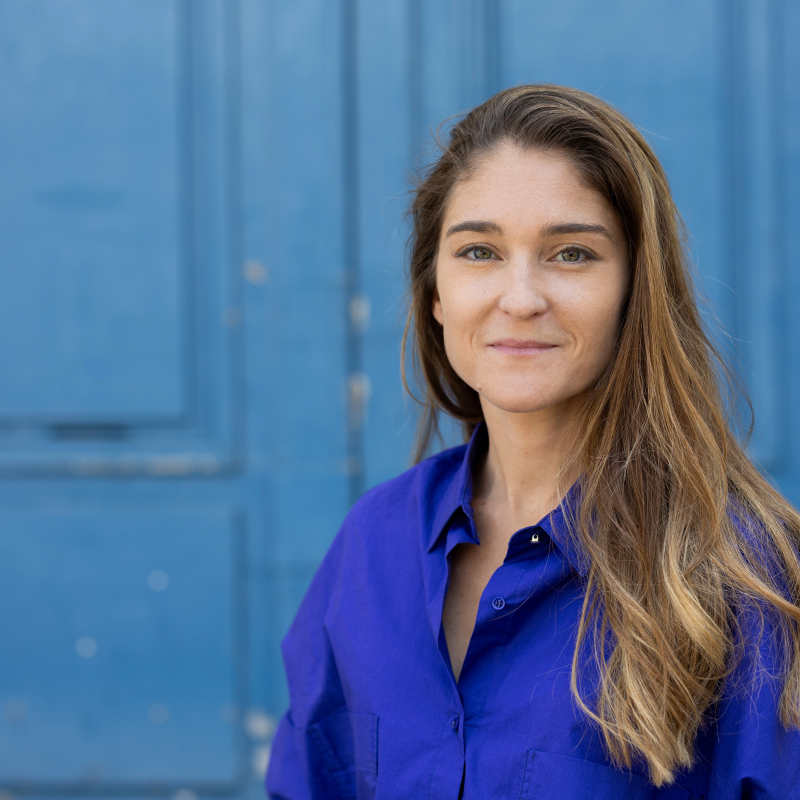
Marine Calmet is an environmental lawyer, author, and co-founder and director of Wild Legal, a French nonprofit working to advance the Rights of Nature and transform environmental law. A significant part of her work focuses on the recognition of the Rights of the Ocean and on developing new legal frameworks to protect marine ecosystems beyond their value as resources for human societies.
Together with marine biologist François Sarano, she co-authored Justice pour l’étoile de mer – Vers la reconnaissance des droits de l’Océan (2025), a book exploring the legal, scientific and philosophical foundations for recognising the Ocean as a subject of rights. In the lead-up to the 2025 United Nations Ocean Conference (UNOC) in Nice, she actively advocated for the recognition of the Rights of the Ocean in international and public policy discussions.
Through Wild Legal, she develops strategic litigation, legal advocacy and training programmes bringing together lawyers, scientists, students, local communities and environmental organisations to experiment with new ways of defending ecosystems in court and in public decision-making.
She is also the author of Devenir Gardiens de la Nature, awarded the Ecology Book Prize by the Institut Européen d’Écologie, and Décoloniser le droit (2024).
Heather Browning
Lecturer in Philosophy, University of SouthamptonLondon School of Economics / University of Southampton+
Heather Browning
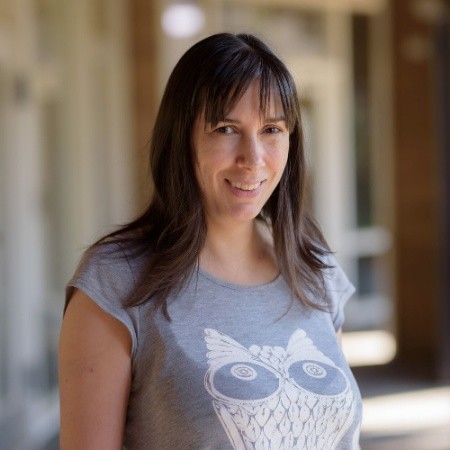
Lecturer in Philosophy at the University of Southampton. Her research covers animal welfare, ethics and consciousness; her doctoral thesis at the Australian National University addressed the measurement of animal welfare. She was a researcher in animal sentience and welfare at the London School of Economics, within the Foundations of Animal Sentience project, and was part of the team that produced the DEFRA report reviewing the evidence of sentience in cephalopod molluscs and decapod crustaceans.
Pierre Boissery
Expert in coastal waters and the Mediterranean coastline, Rhône Mediterranean Corsica Water AgencyAgence de l'Eau Rhône Méditerranée Corse+
Pierre Boissery
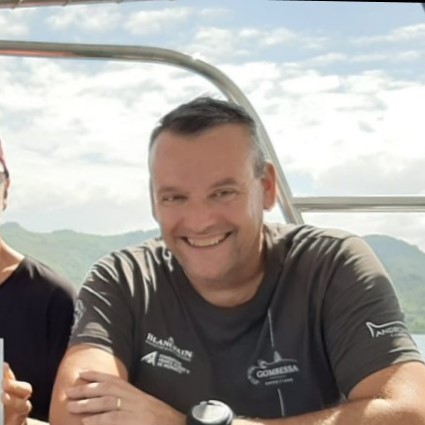
Responsible for technical expertise on the sea and the Mediterranean coast at the Agence de l'Eau Rhône Méditerranée Corse. His work spans technical and methodological studies with the scientific community, the implementation of the European Water Framework and Marine Strategy directives, the monitoring networks for water quality and biodiversity, and ecological restoration together with the assessment of its effectiveness. He takes part in international integrated coastal management missions.
Jordi Cortina-Segarra
Professor of Ecology, University of AlicanteUniversity of Alicante+
Jordi Cortina-Segarra
Professor of Ecology at the University of Alicante. For a decade he chaired the European chapter of the Society for Ecological Restoration (SER Europe), whose board was renewed in August 2024. His research focuses on the ecology and restoration of drylands, and he has worked with policymakers and with practitioners in the public and private sectors. He works on participatory systematic restoration planning and on ecological restoration within vocational education. He has taught undergraduate and postgraduate courses in ecological restoration for twenty-five years and coordinated the University of Alicante's master's programme in Restoration and Management of Natural Environments.
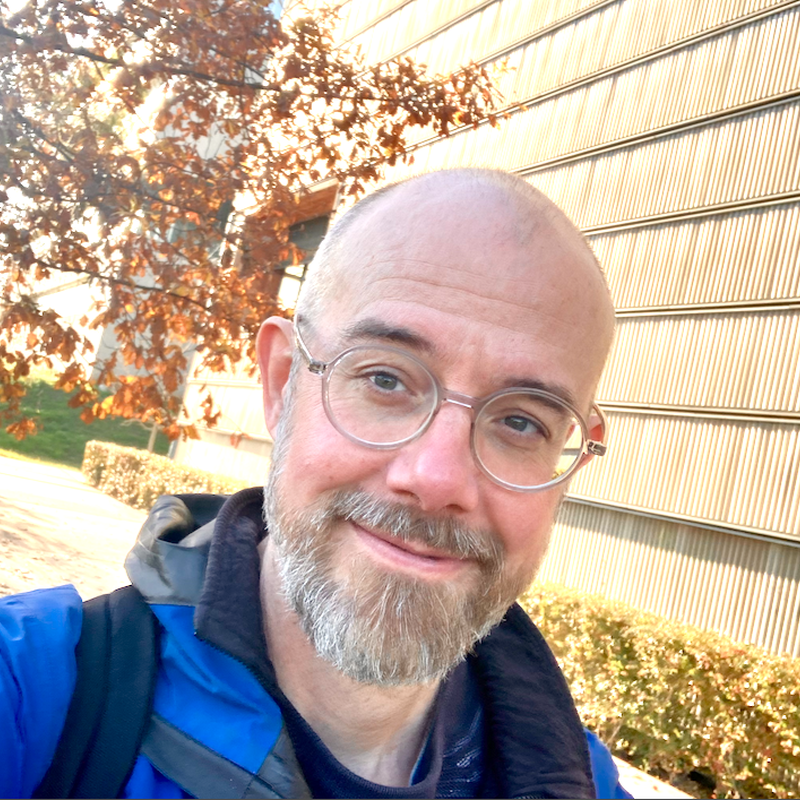
Eric Galbraith
ICREA Research Professor, Autonomous University of BarcelonaAutonomous University of Barcelona+
Eric Galbraith
Trained as a climate scientist and biogeochemist, he worked at Princeton and McGill universities before joining ICREA in Barcelona. His field of work, Earth System Economics, aims to bring the global human system into a quantitative, holistic framework deeply integrated with natural science approaches.
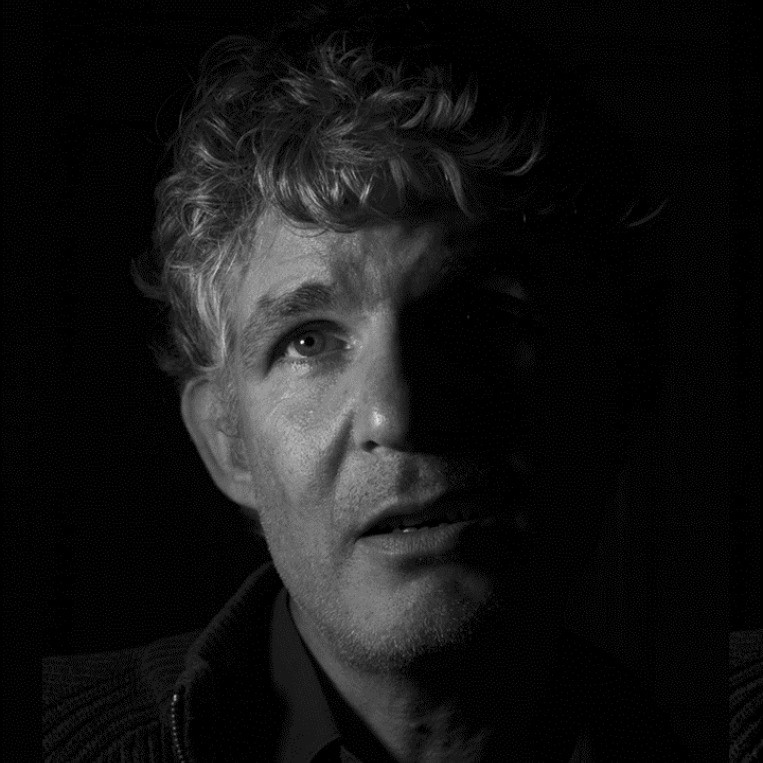
Charlie Gardner
Interdisciplinary conservation scientist. Writer and activist with Scientists for Extinction Rebellion and Scientist Rebellion.+
Charlie Gardner
Dr Charlie Gardner is an interdisciplinary conservation scientist with a background in the conservation, sustainable management and participatory governance of tropical biodiversity. Though he remains an Associate Senior Lecturer at the Durrell Institute of Conservation and Ecology (University of Kent), he left academia after several years teaching about climate change impacts on biodiversity and society’s failures to heed climate science. Now working to accelerate social responses to the climate and ecological emergency as a writer and activist with Scientists for Extinction Rebellion and Scientist Rebellion, he has published widely on the need for academic engagement with social movements.
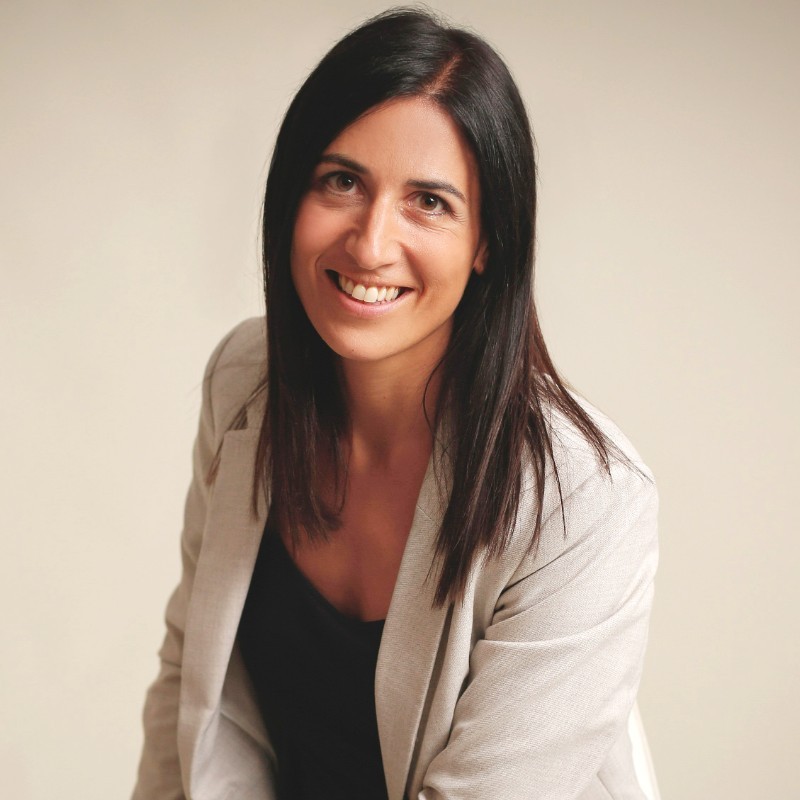
María González Lacabex
Director, AnimalexAnimalex+
María González Lacabex
A law graduate with master's degrees in Environmental Law and in Animal Law and Society, she is one of the first specialists in Animal Law in Spain. In 2012 she founded Animalex, the country's first law firm devoted exclusively to the field, based in Getxo and also operating from Barcelona, advising individuals, associations, companies and public authorities.
She sits on the board of INTERCIDS and, on its behalf, on the Spanish State Council for Animal Protection. She has put forward legislative proposals and taken part in significant legislative processes, among them the reforms of the Civil Code and the Criminal Code. In 2016 she founded the Animal Law Study Group of the Bizkaia Bar Association, which she coordinates, and she belongs to CoPPA, where she works on the link between animal abuse and interpersonal violence.
The author of numerous specialist publications and a speaker at conferences and parliamentary hearings, she was one of the leading voices during the reform that recognised animals as sentient beings in Spanish law and in the development of the Animal Protection and Rights Act.
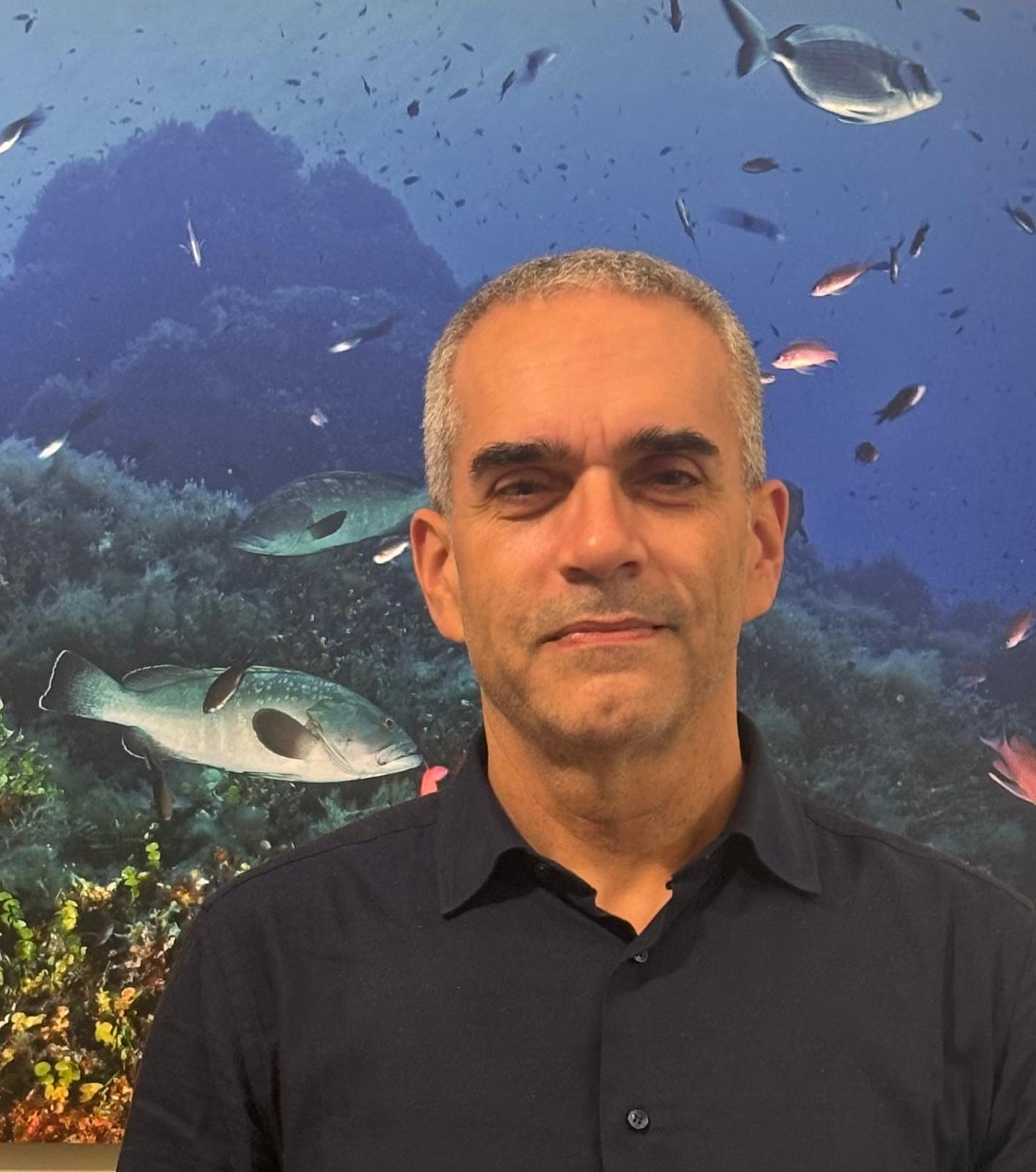
Paolo Guidetti
Research Director, Stazione Zoologica Anton DohrnStazione Zoologica Anton Dohrn+
Paolo Guidetti
Marine conservation ecologist, PI of more than 100 projects on marine protected areas, socio-ecological interactions, and small-scale fisheries
Gilles Lecaillon
President and Founder, ECOCEANECOCEAN+
Gilles Lecaillon
Gilles Lecaillon is a Marine Biologist and an internationally recognized Expert on Marine Ecological Restoration with more than 25 years of experience from the field, pioneering the fish restocking technology in both tropical and temperate marine waters. He is the author and coauthor of reference scientific publications and books, and a frequent speaker and panelist at international conferences on Ecological Restoration. Gilles is also the Founder and President of Ecocean, a leading French Ecological Engineering Company which specializes in developing and implementing radical new technologies for the sustainable use and management of the marine environment. Since almost 10 years, he is looking for Nature Inclusive Design for solution to offshore wind park.
Sue Miller
Chief Networks and Alliances Officer, Stop Ecocide InternationalStop Ecocide International+
Sue Miller
Chief Networks & Alliances Officer at Stop Ecocide International, where she previously appeared as Head of Global Networks. Her role is to spread and embed the notion of ecocide across as many communities and sectors as possible, and to build the alliances that sustain the campaign for ecocide to be recognised as an international crime. She has represented the organisation at international forums and writes outreach pieces aimed at the business world, among them an article originally published by the CBI on criminalising ecocide and doing business within planetary boundaries.
Maite Mompó
Director of Stop Ecocide International for the Spanish-speaking worldStop Ecocide International+
Maite Mompó
Born in Albacete in 1967. She holds a law degree from the University of Castilla-La Mancha and a specialisation diploma in ecological ethics, sustainability and environmental education from the Universitat Politècnica de València. Her career has been devoted to human rights, peace and the environment: in 1988 she co-founded the Amnesty International group in her home city and served as its spokesperson, and at Greenpeace she was in turn a volunteer, staff member, activist and professional sailor in its fleet, aboard the Zorba, the Arctic Sunrise and the Rainbow Warrior II and III, up to the latter's final voyage in 2015. Those years produced her book «Rainbow Warriors: Legendary Stories of the Greenpeace Ships». She directs Stop Ecocide International for the Spanish-speaking world and coordinates the campaign for the Americas, which seeks recognition of ecocide as the fifth international crime under the jurisdiction of the International Criminal Court.
Philippe Lenfant
Researcher, CEFREM (UMR 5110 CNRS / University of Perpignan)CEFREM, University of Perpignan+
Philippe Lenfant
Researcher at the CEFREM laboratory (UMR 5110 CNRS / University of Perpignan). He coordinates the «Preservation, Management and Restoration of Resources» programme and the Marine Ecology Group, and heads the CREM technological platform (Centre for Research on Marine Ecosystems) at Port-Vendres. He sits on the management board of the Gulf of Lion Marine Nature Park and on the scientific council of the Cerbère-Banyuls Marine Reserve.
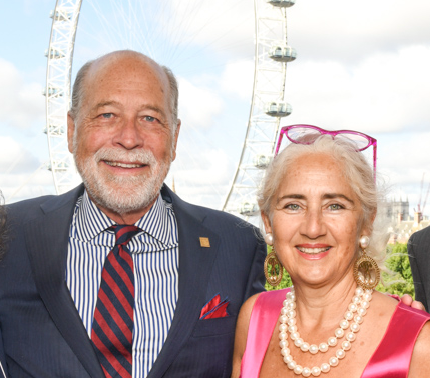
Antoinette and John Vermilye
Gallifrey Foundation Co-foundersGallifrey Foundation+
Antoinette and John Vermilye
Antoinette and John Vermilye are co-founders of the Gallifrey Foundation and venture philanthropists who bridge visionary funding and on-the-ground reality. They invest for impact to drive systemic change, starting at the ocean — the critical nexus of climate, biodiversity, human and planetary health, and social justice.
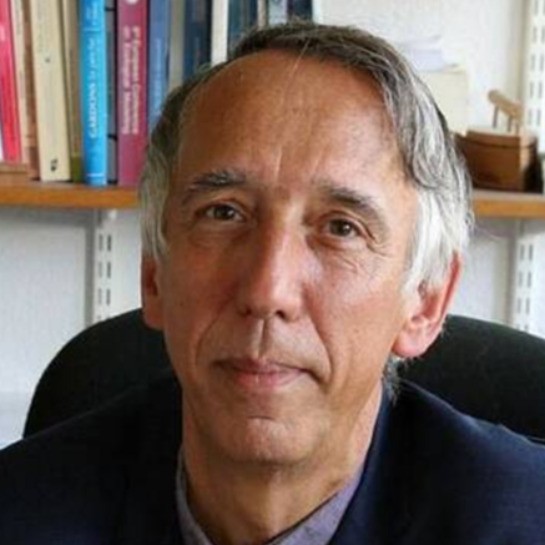
Didier Gascuel
Professor Emeritus of Marine Ecology and Fisheries Science, L'Institut Agro, RennesL'Institut Agro, Rennes+
Didier Gascuel
Emeritus professor of marine ecology and fisheries science at the Institut Agro in Rennes. His research centres on modelling the trophic functioning of marine ecosystems and on developing the ecosystem approach to fisheries. He takes part in programmes assessing the impacts of fishing and climate change on exploited resources and food webs, in European waters and globally. He develops the EcoTroph ecosystem model.

Karen O'Brien
Zennström Visiting Professor in Climate Change Leadership, Uppsala University; co-founder of cCHANGEUppsala University / cCHANGE+
Karen O'Brien
Zennström Visiting Professor of Climate Leadership at Uppsala University and co-founder of cCHANGE. She co-chaired the IPBES Transformative Change Assessment. Her work centres on connecting knowledge with action to scale transformative change, attending to values, principles and the quality of agency in order to address the underlying causes. She leads a «fractal change» initiative on how patterns shift in ourselves and in our societies.
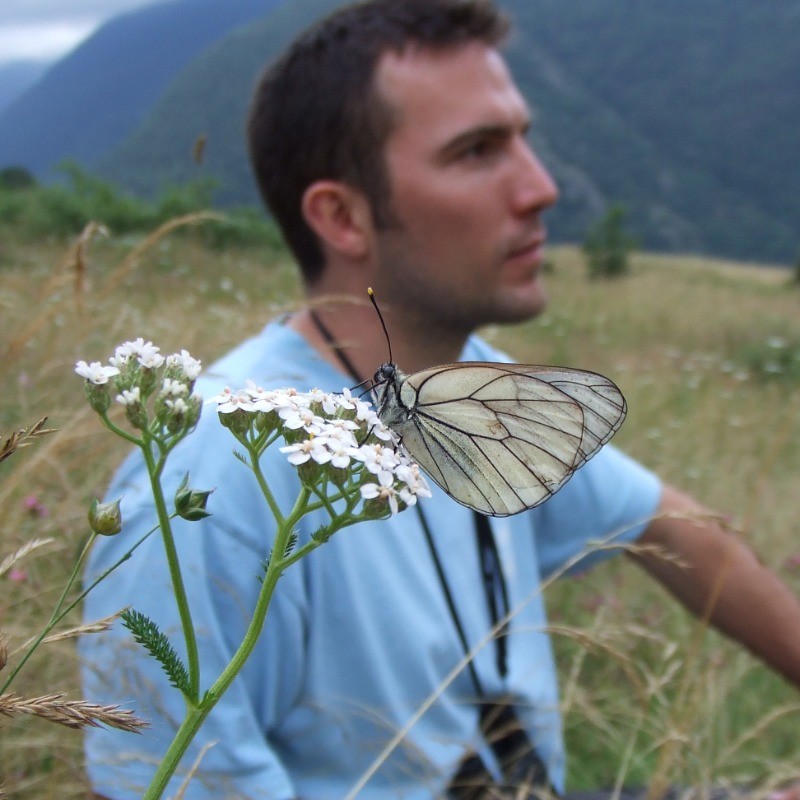
Tom Oliver
Professor of Applied Ecology, University of ReadingUniversity of Reading+
Tom Oliver
Professor of Applied Ecology and Associate Pro-Vice Chancellor for Research (Environment) at the University of Reading. He works at the interface of systemic environmental risk analysis and deep ecology. He has advised DEFRA on setting up a Systems Research Programme, was seconded to the UK Government Office for Science and Technology and regularly advises the European Commission; he was previously a member of the European Environment Agency scientific committee. He is the author of «The Self Delusion».
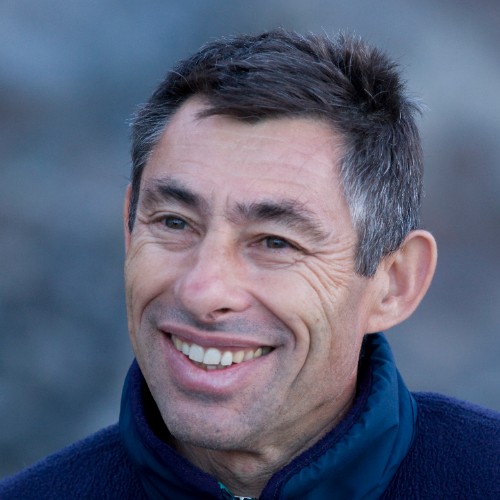
François Sarano
PhD in Oceanography · Founder of Longitude 181Longitude 181+
François Sarano
Doctor of oceanography, professional diver and founder of the Longitude 181 association. He was research director of the Deep Ocean Odyssey programme, expedition leader and scientific adviser to Commander Cousteau: over thirteen years he took part in some twenty expeditions aboard the Calypso. He headed the fisheries resources department at WWF France and is, with Laurent Debas, the originator of the Concerted Exploitation and Management Units concept for sustainable fisheries management by fishers themselves. He founded Longitude 181 with his wife Véronique and with Vincent Ohl, around the International Charter of the Responsible Diver, for the protection of the marine environment and the fair sharing of its resources.
He was diver, scientific adviser and co-writer of the film «Océans» by Jacques Perrin and Jacques Cluzaud, and scientific adviser and co-author of the documentary series «Le peuple des océans». His books include «Réconcilier les hommes avec la vie sauvage», written with Coralie Schaub, and «Rencontres sauvages»; «Le retour de Moby Dick» received the Académie Française's Jacques Lacroix prize in 2018 and «Au nom des requins» (2022) the 30 Millions d'Amis literary prize. He co-directed «Cachalot, une histoire de famille», honoured with the 2022 Jackson Wild Media Award.
He is a member of the Académie Drômoise (2005), Golden Trident of the International Academy of Underwater Science and Techniques (2023), Knight of the Legion of Honour (2017) and Officer of the National Order of Merit (2023).
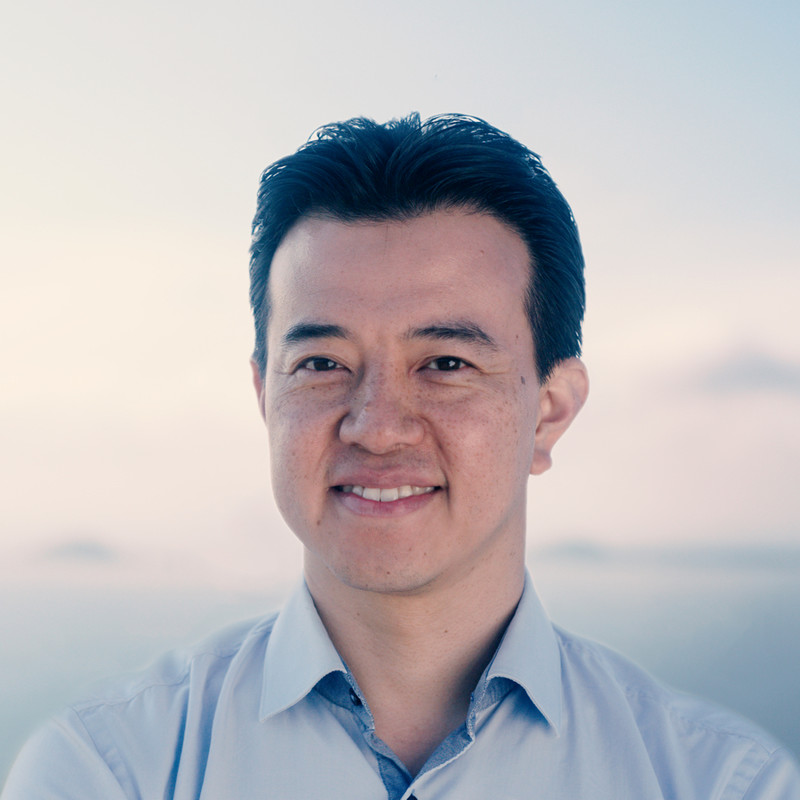
Brian Tsuyoshi Takeda
Co-founder of Restorae; Head of Reforestation, Kelp Forest FoundationUrchinomics / Restorae+
Brian Tsuyoshi Takeda
Brian Tsuyoshi Takeda is a Japanese-Canadian entrepreneur and environmental innovator working on marine ecosystem restoration. Before co-founding Restorae he founded Urchinomics, a regenerative aquaculture venture that restores kelp forests by making use of overabundant sea urchins. He leads the reforestation programme of the Kelp Forest Foundation, a Netherlands-based non-profit that promotes kelp research and restoration. In 2025 he was appointed secretary for international affairs of the Japan Blue Economy Association.